
Sealants in Ghana
Sealants close compatible joints and gaps, while adhesives bond materials together. Choose by substrate, joint movement, moisture exposure and whether the finish will be painted. Explore TCP silicone mastic, siliconized acrylic sealant and construction adhesive entries below, then read the individual datasheets. For a building or decorating project in Ghana, contact our Accra or Kumasi team to discuss suitability and current availability.
 Sealants
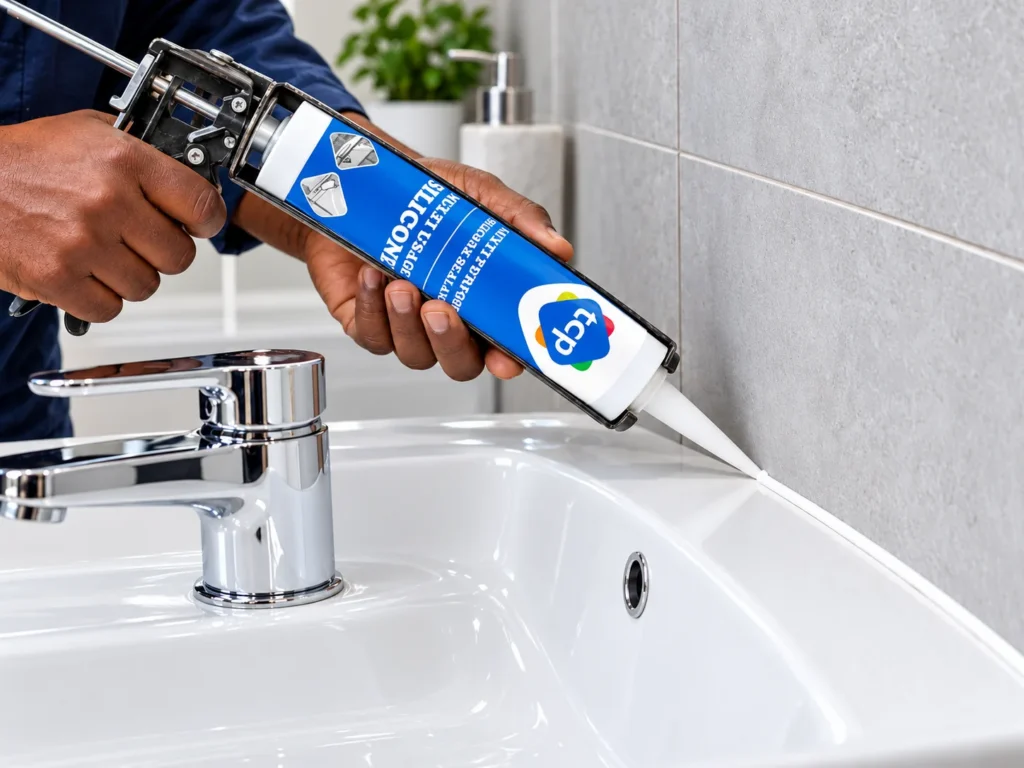
TCP Multi-Purpose Silicone Sealant
View product Sealants
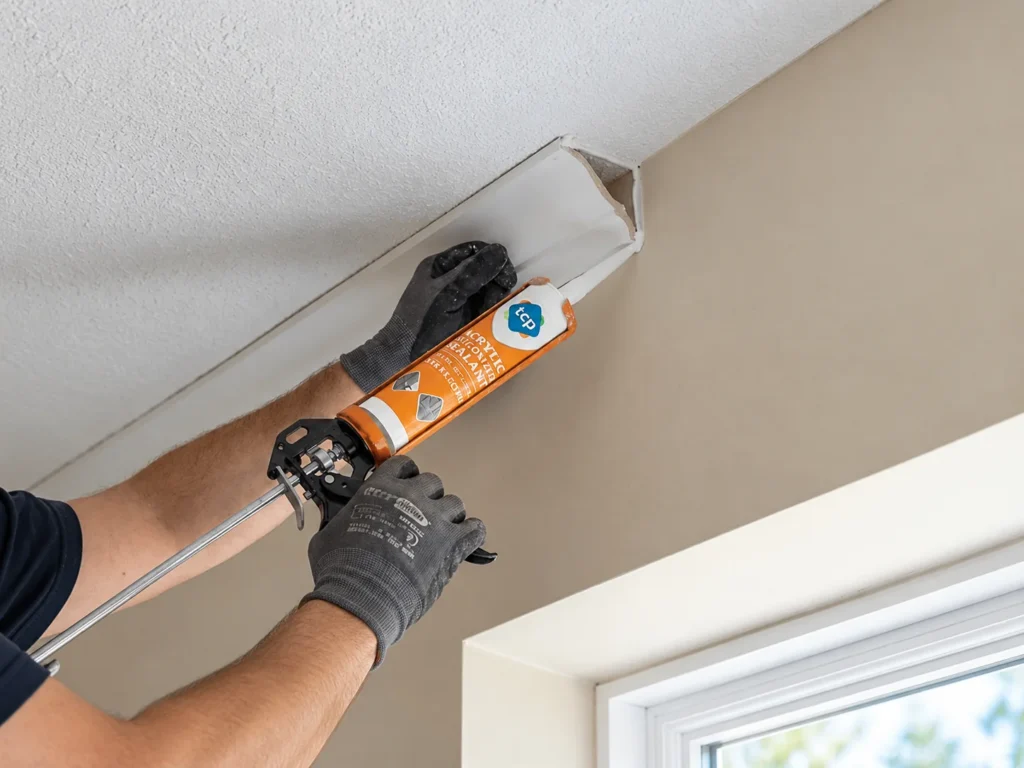
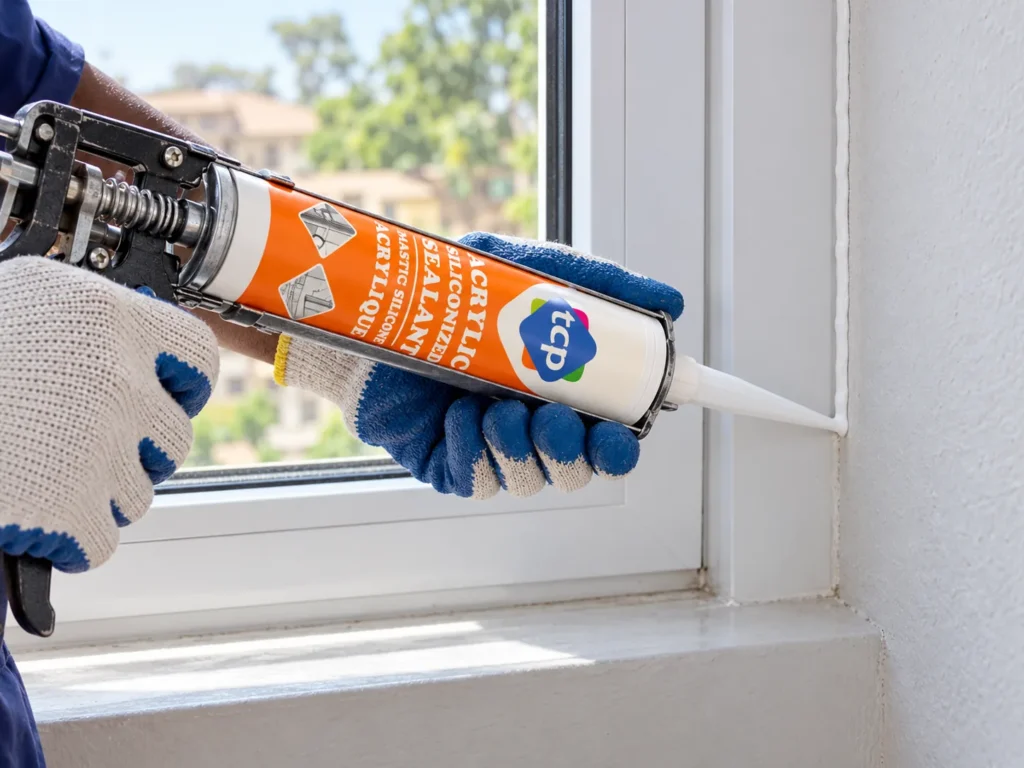
TCP Acrylic Silicone Sealant
View product Sealants
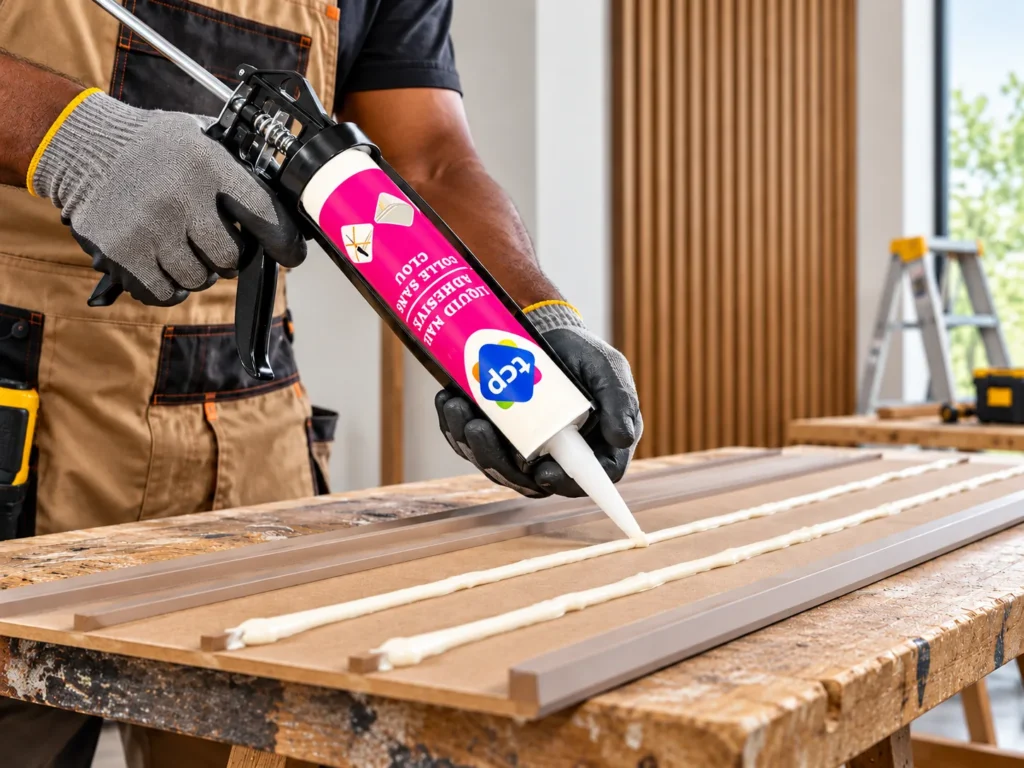
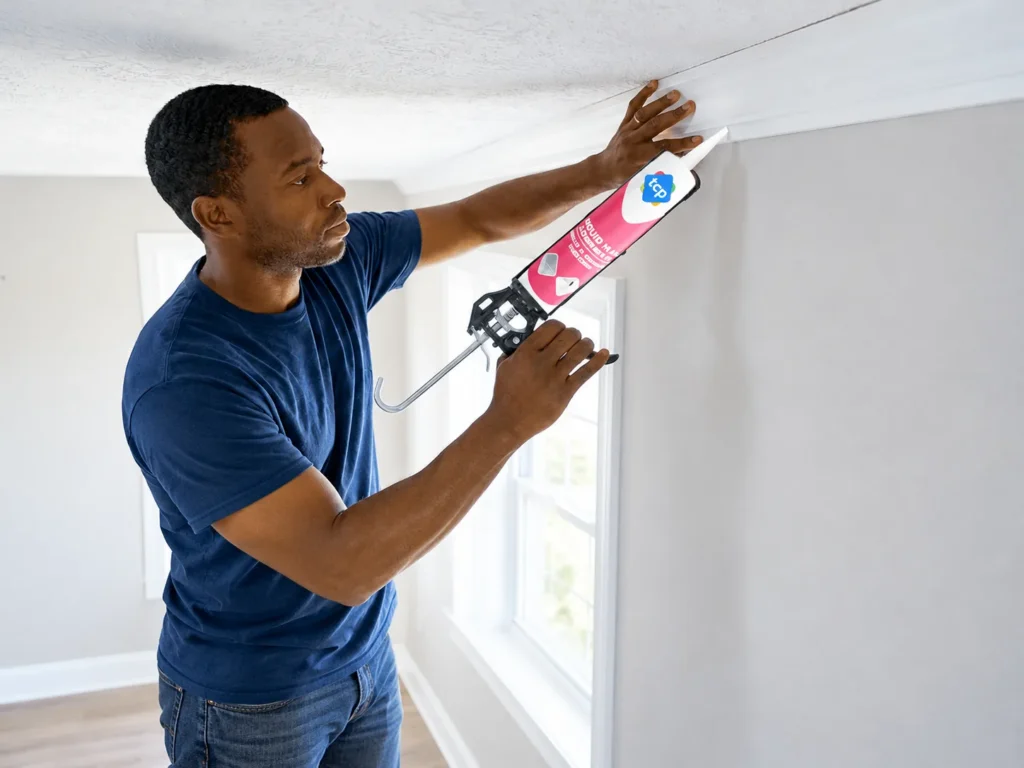
TCP Liquid Nail Construction Adhesive
View product Sealants
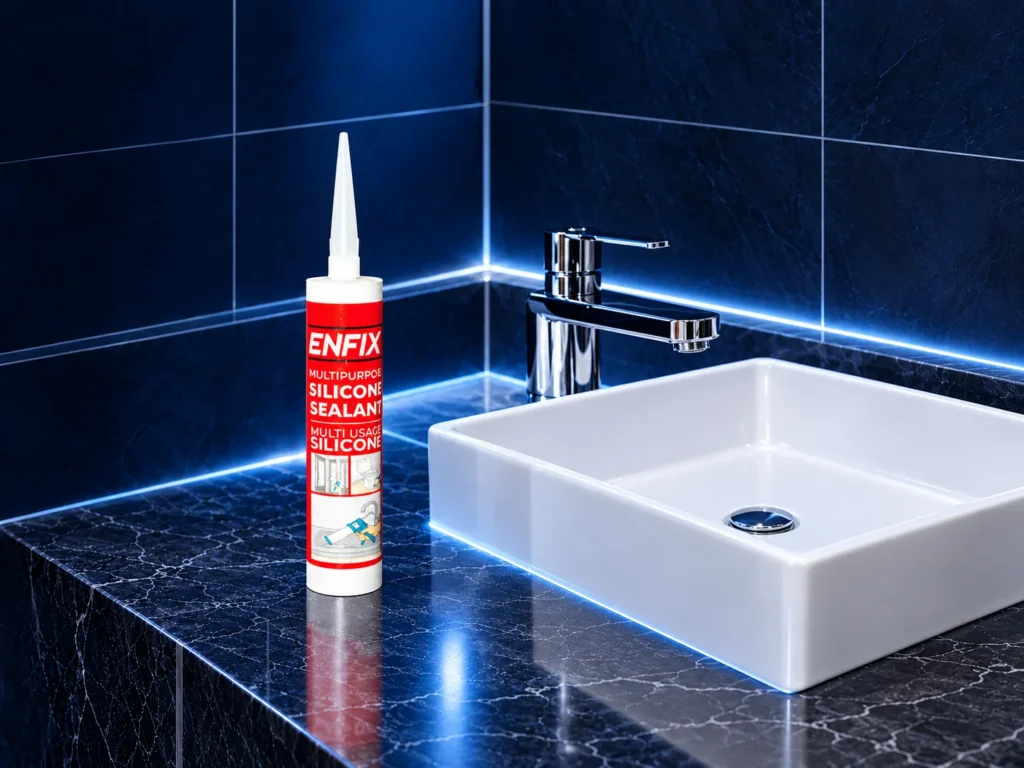
ENFIX Silicone Sealant
View product Sealants
TCP High Tack Power Adhesive
View productSilicone and sealants in Ghana
Sealants close joints and gaps, while adhesives bond materials together. TCP supplies acetoxy silicone for baths, showers, basins and sanitary fittings, siliconised acrylic sealant for cracks and window frames (it can be painted over; check paint compatibility), Liquid Nail construction adhesive, ENFIX silicone and High Tack Power Adhesive. Each product has a technical datasheet you can download.
Choose by surface, joint movement, moisture and whether the joint will be painted. Our Accra and Kumasi teams can confirm the right product, pack size and colour for your project.
Silicone, acrylic or adhesive: how to choose
Wet areas and smooth surfaces: TCP Multi-Purpose Silicone (290 g cartridge) and ENFIX Silicone (270 g cartridge) are acetoxy-cure silicone sealants in clear, white and black. Their data sheets list joints around baths, showers, basins and sanitary fittings, and selected aluminium, metal, PVC trim and laminate joints. They stay flexible and are not meant to be painted.
Joints you want to paint: TCP Acrylic Silicone Sealant is a water-based acrylic in a 485 g white cartridge. It fills gaps around timber and metal window and door frames and cracks in brickwork, plaster and concrete, and can be painted over with most façade paints once fully cured. Test the paint first.
Fixing, not sealing: TCP Liquid Nail (300 ml) is an acrylic building adhesive for wall cladding, stair nosing and similar fixing jobs, and works best when at least one surface is absorbent. TCP High Tack Power Adhesive gives a strong first grip for mounting and repair work. TCP Fast Glue Kit pairs a cyanoacrylate adhesive with a 400 ml activator for quick bonds on MDF and woodwork: join the parts and hold firm pressure for one minute.
Getting a clean, lasting joint
Surfaces must be clean, dry and free from dust, loose coatings and old sealant. The data sheets exclude bitumen, asphalt and surfaces that release oils, solvents or plasticisers. Apply between +5°C and +40°C for the silicones and +5°C and +30°C for the acrylic products, with the air at least 3°C above the dew point. Curing time depends on temperature, humidity and how thick the bead is.
Common questions
What is the difference between silicone and acrylic sealant?
Silicone suits smooth, non-porous surfaces such as sanitary fittings, aluminium and metal. Acrylic sealant suits cracks in brick, stone, plaster and concrete and joints around timber and metal window frames, and can be painted (check paint compatibility).
What is the difference between a sealant and an adhesive?
A sealant closes a joint and stays flexible; an adhesive holds two materials together. Choose by the surfaces, how much the joint moves, moisture, and whether it will be painted.
Which silicone for a bathroom?
The acetoxy silicones above are the ones listed for sanitary joints. Check that both surfaces are compatible before use.
Do I need a gun?
Yes, cartridges need a silicone gun. Metal and plastic guns are in Installation Accessories.